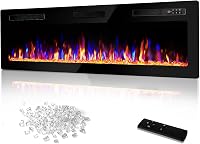
Can You Paint an Electric Fireplace?
Yes, you can paint an electric fireplace, but only the parts that don't get hot or carry a flame effect: the surround, mantel, trim and brick-look interior face. Leave the heater vents, glass and controls alone and the paint job is a simple weekend project.
On this page (9 sections)
- Which parts of an electric fireplace can you paint?
- Why should paint stay off the heater, glass and controls?
- What supplies do you need to paint an electric fireplace?
- How do you prep an electric fireplace for paint?
- How do you paint the surround and faux brick?
- How do you seal and cure a painted fireplace?
- Does painting change how much power the fireplace uses?
- Should you paint or replace the fireplace instead?
- What safety steps come last?
Yes, you can paint an electric fireplace, but only the parts that don't get hot or carry a flame effect: the surround, mantel, trim and brick-look interior face. Leave the heater vents, glass and controls alone and the paint job is a simple weekend project.
Most of the box on a wall-mounted or freestanding unit is just MDF, metal or molded composite. That means the "can you paint an electric fireplace" question has an easy answer for the shell and a firm no for the working parts.
Which parts of an electric fireplace can you paint?
Paint the surround, mantel, trim and the brick-look face. Skip anything that glows, vents heat or carries a button.
An electric fireplace is a cabinet with a heater and a light box inside it. The cabinet is fair game.
The working parts are not.
- Paintable: MDF or wood surrounds, mantels, side panels, corner trim, faux stone and brick faces, baseboards built around the unit.
- Not paintable: heater grilles and vent slots, the glass front, LED strips, the log set, remote receivers, switches and the power cord.
If your unit is a 3 sided electric fireplace with a glass front on three faces, the metal frame between the glass panes can usually take paint, but the glass itself must stay clear.
Tape off each heater outlet before you open a can. Heat has to leave the box through those openings, and a coat of paint narrows them.
Why should paint stay off the heater, glass and controls?
Heat, light and safety are the three reasons. Paint on a hot surface can bubble, peel or give off fumes, and paint on the glass or logs blocks the flame effect.
The heater on an electric unit pushes warm air through louvers or a metal grille. Even a light coat on those slots can trap dust and reduce airflow.
On the flame side, the log set and the screen behind it sit in the light path. Paint dulls that path and shifts the color you see from the couch.
Controls are the third no-go. Paint in a button seam or a remote sensor window makes the unit hard to switch on.
Keep solvent-based paint and spray cans well away from the unit while it's plugged in. Unplug it before any work and let it cool.
What supplies do you need to paint an electric fireplace?
Degreaser, sandpaper, painter's tape, primer and a water-based enamel cover most jobs. Add a stud finder if you plan to move the unit or hang a new mantel shelf.
Start with a clean surface. A degreaser lifts dust and hand oils so primer can grip.
Then scuff with 120 to 220 grit paper. Smooth factory finishes need the scuff more than raw MDF does.
Use a good tape for edges and plastic sheeting for the glass and heater. A trim brush handles corners, and a small foam roller gives a flat finish on panels.
If you're adding a shelf, backsplash or new mounting point, a stud finder saves guesswork. The DEWALT Stud Finder finds stud centers through drywall at a 3/4 in depth and marks the spot with LED arrows.
It also flags live wires, which matters when you drill near an outlet the fireplace plugs into. Note that it won't read through tile, brick or foil-faced surfaces, so plan those walls a different way.
How do you prep an electric fireplace for paint?
Unplug it, remove loose parts and tape the glass and vents before any sanding. Prep is where most paint jobs on fireplaces succeed or fail.
- Switch off, unplug and let the unit cool for at least an hour.
- Take off the log set, crystals or media tray if they lift out.
- Remove the glass front if the maker says it comes off; if not, tape it fully.
- Clean the surround with a degreaser and let it dry.
- Scuff the surface and wipe away dust with a tack cloth.
- Tape the heater grille, switches and the wall behind the unit.
Faux brick and stone faces need the same steps, plus a light brush-out of the texture to remove dust. A primer made for slick surfaces helps on molded foam.
If the unit hangs on the wall, you can leave it up for a simple trim repaint. For a full surround color change, lift it down, and put it back on a clean, cured surface later.
How do you paint the surround and faux brick?
Prime first, then brush or roll on thin coats and let each one dry. Thin coats beat one heavy coat on every part of this job.
Water-based satin or semi-gloss enamel is the easiest choice for a surround. It cleans up with soap and water and dries hard enough for a mantel shelf.
Paint in this order:
- Cut in edges and corners with a brush.
- Roll the flat panels with a foam roller.
- Brush the brick or stone face so paint sinks into the texture.
- Check for drips along the bottom edge.
Two thin coats usually cover a neutral surround. A dark color over white may need three.
For a brick face, a darker wash on some bricks and a lighter coat on others gives depth. Wipe most of it off while it's wet so the relief still shows.
Wait for the paint to dry between coats and keep the heater off the whole time.
How do you seal and cure a painted fireplace?
Let the paint cure fully before you plug the unit back in. A hard cured film resists heat far better than a soft one.
Most water-based enamels feel dry in a couple of hours but keep curing for days. Follow the cure time on the can, and give it 24 hours minimum with the heater off.
Good airflow speeds curing, so open a window in the room. A fan on low also helps, as long as it doesn't blow dust onto the wet finish.
Once cured, run the heater on low for a short while and check the surround's outer edge. That edge stays cool on most units, but a paint smell on the first warm-up is normal.
Reattach the glass, media and trim, then plug the unit in. If paint smell lingers after a few uses, look for paint on a hot vent that you missed.
Does painting change how much power the fireplace uses?
No. Paint on the surround has no effect on the heater or how much electricity the unit draws.
Power use depends on the heater setting and the flame light, not the finish color. A dark surround looks warmer, but it doesn't heat the room any better.
If you want to know what the fireplace costs to run, measure it. The P3 Kill A Watt plugs in at the wall and counts kilowatt-hours over a day, week, month or year.
It reads appliances on standard 115-volt current up to 15 amps, which covers most residential electric fireplaces. It also shows voltage and line frequency, useful on an older circuit shared with other loads.
Painting is the cosmetic step. Metering is the cost step.
Should you paint or replace the fireplace instead?
Paint a unit you still like when the color is the only problem. Replace it when the heater, flame effect or fit is wrong.
Paint can't quiet a loud fan or fix a dim flame. It also won't change how the unit fits a wall cavity or a corner.
If the size or shape is the issue, look at a linear electric fireplace for a long, low wall, a thin electric fireplace for a shallow recess, or a 3 sided unit when you want a see-through feature wall.
Those pages help you choose the right body before you pick a paint color. Getting the shell right first means you only paint once.
One practical note before you buy paint: check the finish around the glass and heater on your unit, since a painted finish there takes paint differently than raw MDF does.
What safety steps come last?
Unplug, dry and check before you power up. A painted electric fireplace still needs clear vents, an intact cord and a firm wall mount.
Run a finger along the heater grille to confirm the slots are open. Look for paint drips that ran into the seam between the surround and the glass.
Plug the unit in, switch on the flame only, and watch for a few minutes. Then try the heater on low, listening for a fan that rubs or rattles.
You can paint an electric fireplace without touching its heating or electrical parts, and that's the whole trick. Keep paint on the trim and brick face, keep the heater and controls bare, and the finish will last as long as the unit does.
If you need to mount the unit on a new wall or shelf, our guide to do you need to vent an electric fireplace explains why the wall behind it stays simple. Then sketch the color plan before the first coat.
Frequently asked questions
Does painting an electric fireplace void its warranty?
Sometimes, yes. Paint on the heater housing or controls can give a maker a reason to refuse a claim, so keep paint where the maker doesn't warn against it.
Read the warranty sheet before starting, and mask the heating parts fully.
Can you paint the flame effect or the logs on an electric fireplace?
No. The logs and the screen behind them are part of the light path, and paint blocks light and changes the color of the flame.
Leave the log set, the LED area and the glass alone and paint only the surround and visible frame.
What paint works on a painted MDF electric fireplace surround?
A water-based satin or semi-gloss enamel sticks well to a scuffed, primed MDF surround and cleans up easily. Oil-based paint also works but smells stronger and needs more drying time before the unit goes back against the wall.
How long should paint dry before you use the fireplace?
Let the paint cure for at least 24 hours before turning the heater on. Heat can soften fresh paint and trap solvent smells, so wait the full cure time the can gives, often 3 to 7 days for a hard finish.
Can you paint over faux stone or brick on an electric fireplace?
Yes, on the surface itself. Faux brick and stone faces on electric units are usually molded foam or composite, so a coat of primer and masonry-style paint covers them.
Don't paint inside slots or vents where heat escapes.